Our Mission
To connect our community to economic and cultural opportunities through safe, reliable and accessible mobility experiences.

To connect our community to economic and cultural opportunities through safe, reliable and accessible mobility experiences.
As the largest public transportation provider in the state of Indiana, IndyGo is committed to expanding mobility options and improving connectivity in alignment with its mission, vision and goals outlined in the 10-year strategic plan. Over the next few years, we will continue to identify ways to increase accessibility with the active involvement of IndyGo leadership and the guidance from its seven board members.
With the implementation of service improvements and other innovative projects, our ridership is growing. In 2023, fixed-route ridership was more than 6.7 million – a 20% increase from 2022. (Beginning January 2023, IndyGo included MyKey data in the fixed-route ridership year-to-date total.)
Learn more about us and read our mission and values here.
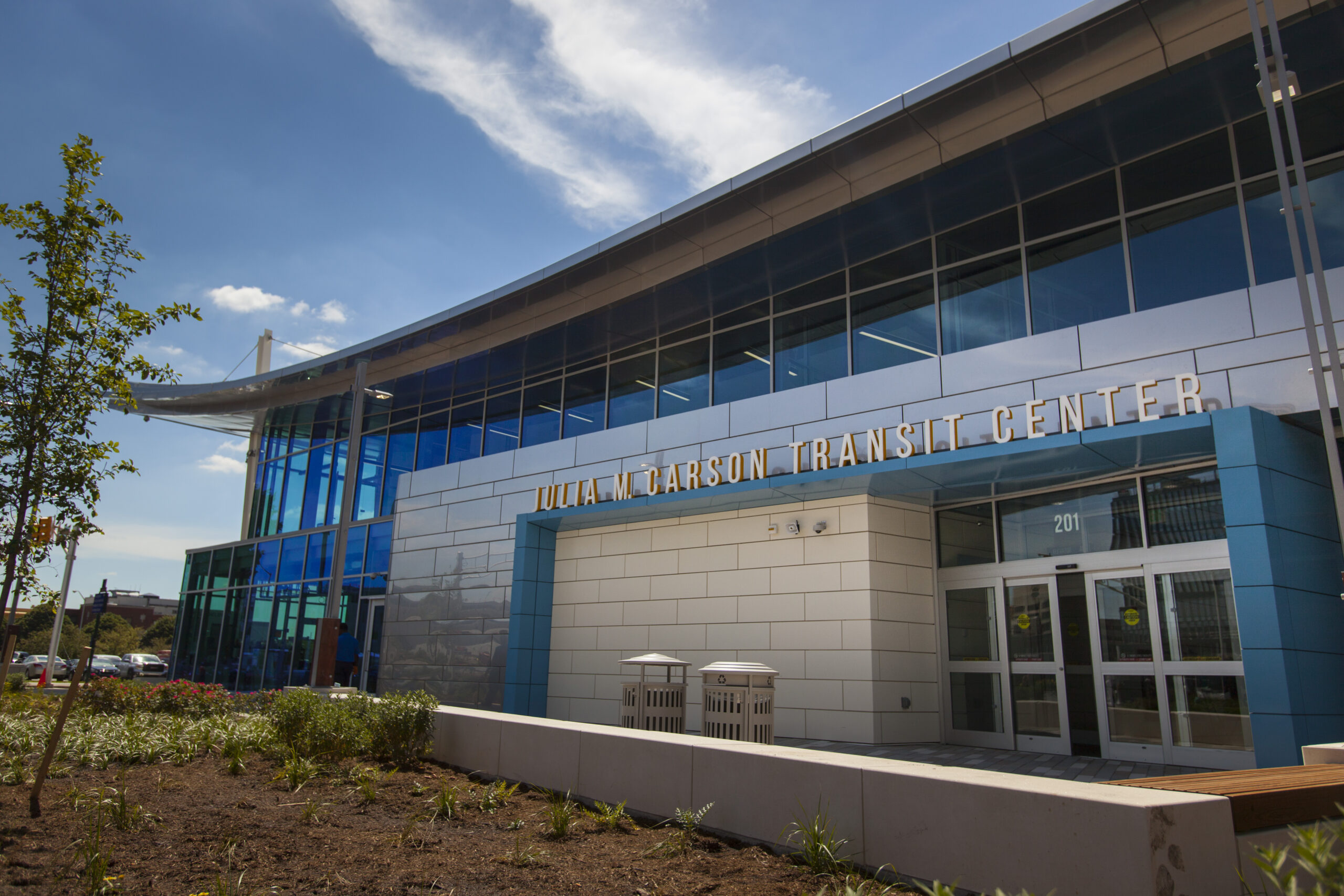
From 1864 to 1953, Indianapolis was home to a number of streetcar routes. The first bus routes were established in 1923, and trolley buses operated between 1932 and 1957. Indianapolis then transitioned to an all-bus transit system, and the Indianapolis Public Transportation Corporation (IPTC) was established by the City of Indianapolis in 1973. On Jan. 7, 1975, Metro assumed operations of the Indianapolis Transit System. In 1996, Metro became known as IndyGo.
During the 1990s until the early 2000s, IndyGo faced significant service cuts. In 2009, the Indy Connect initiative was launched and a long-term transportation plan for Indianapolis was developed.
The Marion County Transit Plan (MCTP) was developed in 2014, paving the way for a proposed grid network, longer service hours and the addition of three Bus Rapid Transit (BRT) lines. In 2016, Marion County voters approved the 0.25% income tax needed to implement the MCTP. Local route improvements and construction of the Red Line, IndyGo’s first BRT line, began in 2018. The Red Line opened for service in 2019, followed by the Purple Line in 2024. Local route improvements continued, including changes that allowed all IndyGo routes to operate every day of the week.
Looking ahead, IndyGo plans to construct its third Bus Rapid Transit line, the Blue Line, as well as implement a new bus network.
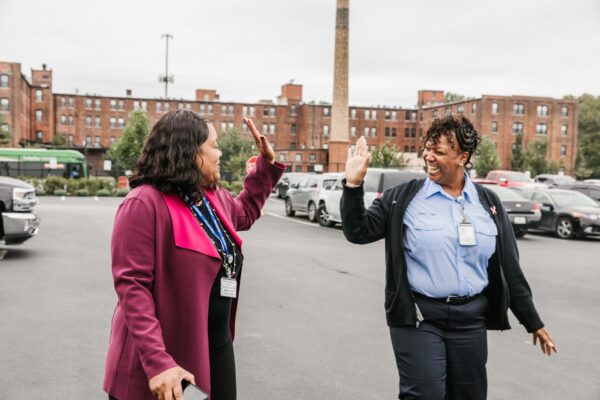
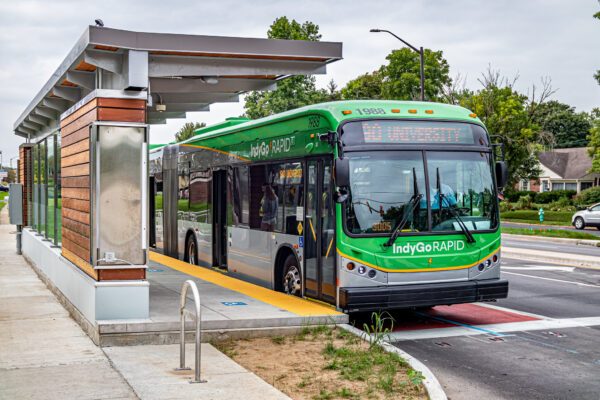
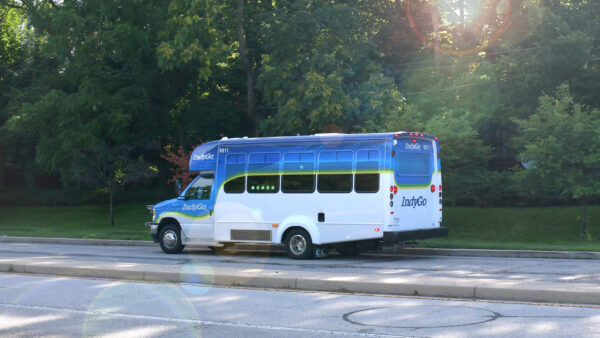
IndyGo will have 232 buses in its fleet, including 2024 deliveries.
*This page was updated January 2024